« A "Quiet" Thanksgivi | Main | Perception »

Reintegration: It Ain't Easy....

|

Usually when I receive email about military life, it comes from a milspouse. That changed a couple of days ago when I received an email from a deployed soldier who explained why he reads SpouseBUZZ.

Even though I am the deployed soldier and not the spouse, I like to check in to get a glimpse of life back at home.  Just about any one of the articles could have been written by my wife, there is a lot to relate to.

It's an interesting twist, and nice to see that this soldier is curious about "the other side." You never know who may be reading....

This soldier wanted to discuss reintegration.

Since I have experienced the shock of returning from multiple deployments, I know that the traditional plane-side charge with outreached arms is more fantasy than fact and reintegrating a family can be a very trying experience.

It was interesting to me that this soldier used the word "shock." Reintegration can certainly be a "shock" to the system for all involved.

Outsiders are fascinated with homecomings. How many times have you seen television crews at a military installation for the purpose of capturing the hugs, kisses, tears and celebratory joy of homecomings? But when the television crews leave and the family goes home, often the initial homecoming glow fades very quickly.

When it comes to reintegration, as with all issues, there is no such thing as one-size-fits-all. Some families find it an easy process, and some find it incredibly difficult. Each family is different and each returning spouse has their own set of issues to work through. Reintegration issues range from the seemingly-superficial to the complex to the intolerable.

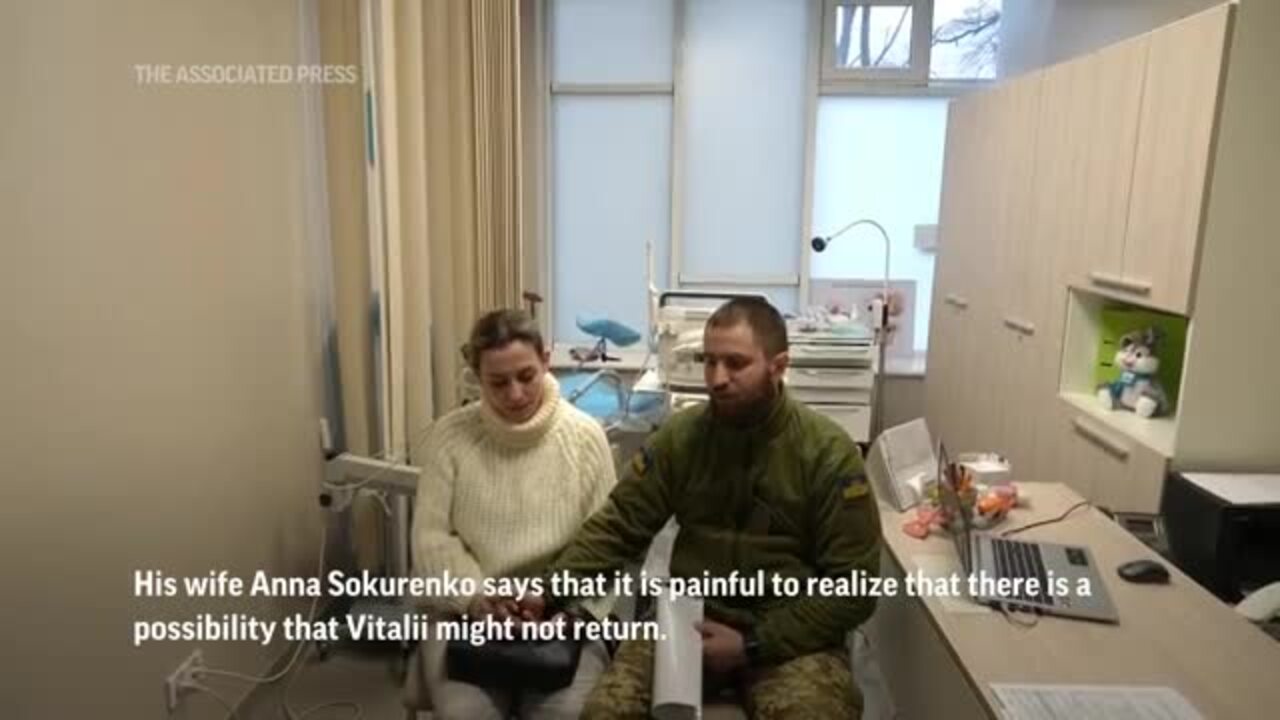
Not long ago, I heard the story of one Army wife who described how hard things became when her husband returned. He began criticizing her for the way she handled the children - their diet, extra-curricular activities, their behavior, etc.. This wife felt as if she had been stabbed in the back. Months later, this couple had a heart-to-heart discussion and the wife described how painful her husband's criticism had been to digest. She had, after all, endured a deployment where she had played mommy AND daddy and had successfully held down the fort. What happened next? The husband admitted that contrary to his constant complaints, he felt that his wife had done such a good job that he wasn't needed. He was looking for ways to be relevant again, hence the constant carping. The couple then put the pain and criticism aside and opened a dialogue which enabled them to understand where the tension was coming from, and allowed them to work through their fears and insecurities.

Another Army wife wrote to me about the difficult process of reestablishing a normal physical relationship with her husband.

At the MilBlog Conference this spring, a milspouse told the audience that when her husband returned, he wanted her to understand what he had been through after a year in a combat zone. This milspouse had lived in her own combat-zone-of-sorts while her husband was away. Tearfully, she said, "I wanted HIM understand what I'VE been through too."

And what about the children? I don't have children, so I can't speak from personal experience, but I've heard stories of children being unusually clingy to their returning parent and being fearful every time the parent walked out the door. While mommy and daddy are trying to get used to being together again, the children are also having to adjust to the new, albeit welcome, reality.

From the perspective of the returning service member, they may be amazed at what their spouse has been able to do while they were away. So amazed, that they become insecure. Recently, I had a soldier ask if they're even needed when they return. The best response I've heard came from one of the panelists at SpouseBUZZ LIVE who said, "we can take care of business while you're away, but we need you when you get back." Holding down the homefront is something we do, but it doesn't mean we don't miss or need our spouses.

The combat-related stress that is common in today's military manifests itself in many ways. Sometimes, the person that you sent away isn't the same person who returned. Conversely, the person that the service member comes home to isn't always the same person that he/she left behind. People grow and change and become shaped by their experiences. In many marriages, growth and change occurs right in front of our very eyes, but deployment forces couples to deal with changes from a distance, or not at all.    

We're all happy to have our spouses back at home and far away from the battlefield, but truthfully, it doesn't take much for both sides to begin to feel some resentment. Those who stayed home want their new routines to be respected. Those who are coming home often struggle with trying to figure out where they fit in. Homecoming, as sweet as it is, often means disruption and disruption isn't easy to deal with.

Those who have never experienced reintegration will no doubt read this and find it hard to understand the challenges that reintegration poses. Those who have experienced reintegration know all too well that it takes time, patience, understanding and love to get through this phase. And for many, by the time you've successfully reintegrated, it's time to prepare for deployment all over again. It's truly a vicious cycle.

Today, when deployments are the norm, reintegration is an important topic for military families, and clearly one which deserves a lot of attention.


TrackBack

TrackBack URL for this entry:
http://www.typepad.com/t/trackback/1042475/6911421

Listed below are links to weblogs that reference Reintegration: It Ain't Easy....:

Comments

I've been through the reintegration process three times and will be doing my fourth this spring. I've been on both sides. Twice as the spouse waiting at home and once being the one to come home. Each time was different but they all shared there difficult aspects.
I know when he is the one gone when he comes home I do have a routine set up and I am comfortable. For me what he needs to do is be there for me. I need him to be a "support pole" to lean on. I've been doing just fine without him when it comes to the everyday stuff but inside there were times when I thought everything was going to blow up. I've found that when he is there to support me and be there for me he slowly works his way back into being a big part of what needs to be done at home. It takes time but when we do it that way neither of us are forced into changing things immediatly and we can get used to eachother one step at a time.

When I got home my husband had surprised me at how well he was handling things. I thought that if I left the house would fall apart and I would come home to massive amounts of laundry and dirty dishes, and bills that he had forgotten to pay. I was amazed at how well he had kept things going at home. He would do the laundry, make dinner, and do the dishes I felt truly useless. So to bring myself back into the picture I would do the chores with him and we made it something that we did together and eventually it was like I had never left.

Emotionally and physically we felt like strangers and things were akward at first. We didn't quite know what to say to eachother all the time. But we used humor to help us in these departments. We found if we could laugh about things together it made us feel closer and helped to close the gap that had been between us.

Reintegration is never easy and it generally takes time. Some longer than others. But as long as you can communicate with eachother it will be as smooth as possible.

After a diseaster of a return home several years ago, we're prepared this time.

I have a "to do list" already done. The biggest complaint was he didn't feel needed. We don't have children, so its just us dealing.

I also know it will take him a few weeks to get out of the Kabual time zone, adjust to not having to watch out for snipers when driving; and sleeping in seperate rooms for a while is a MUST! I know it sounds odd, but I let him go to sleep in our bed, then sneak out and go to the spare room, with one ear listening. His nightmares are going to be violent and thrasingly so - and it would crush him if I got hurt in the ensuring cleansing process of his mind and soul.

I will go to work for half days until he readjusts to my schedule, and me to his. After about three weeks of climate, cultural and time adjustment, there will come two to three nights of all night talking. He talks - I listen. And I don't care how damn bored I may get with the stories, I will listen to every word; because he needs it. Then will be my turn a few nights later.

This we didn't do for three months when we almost let the Bosnia tour destroy us.

After a year in Korea, through 9/11, we did this on his return and it worked.

I'm prepared to do it again. I have to adjust my needs to his FIRST - as in my book, he had it harder than I could ever imagne. I vowed before God, and do again, for better or worse -- soon the worse will be done.

Retirement in 9/07

what a great topic! We had a little downtime in the ICU today and this was the topic. We must have been talking about this as you were writing! I think we talked more on the coping skills of returning but this post really hit home!

I work at a hospital, with several nurses who have been in OIF at least once. And one nurse is going thru a divorce after husband returning from fallajah in 2004. He has PTSD really bad and won't get help.

What is so interesting are the different coping mechanisms when they returned home. One nurse-he sleeps on the couch now because he got used to having the gun by his leg when he slept.

And my co-worker going thru the divorce tells of her husband's sypmtoms. She tried to get him help and he's won't or doesn't know how to ask. we were all crying after listening to her stories. Their kids are in high school and She truly loves him!

Another nurse he can't wait to go back and help. He is truly an amazing nurse and has the best outlook on life!

This is my first experience with deployment. We are older, he's retired army and in the ARNG.

I wish I KNEW how to be prepared when DS comes home. It is still a long way off. I guess a lot has to depend on your mindset when you are there (or home),their experiences, and your(everyones) coping skills.

This is our first deployment (although not our first long-term separation as a married couple and as friends). I was SO nervous when he was coming home for R&R -- I was afraid I would be too independent and get annoyed by his presence, or that he would have a hard time dealing with people here at home who don't understand where he's been, etc. etc. . . .

I had no need. Things fell into place when he got home: He helped with the chores, he was happy to see everyone, he was open and talkative about everything. I still had some trouble trying to communicate to him when I wanted him to myself, but I found out later that I would have better luck just *telling* him. He was as open and receptive as always -- moreso, actually. It was amazing!

We were lucky to have a few years of marriage under our belts (and more than a decade of friendship before that), though, before he joined the military and was deployed, so it's a little easier for us to handle some things that come our way. I couldn't believe how nervous I was, though.

The one thing about this deployment that has really improved is our level of communication. I think being in a dangerous place where his life is on the line has made him a more open person. That, in turn, has encouraged me to be more open, too.

I wish that for every couple, but I know that human nature is not so simple. :) All I can do is pray for the best. :)

I happened to have read this while my mom stepped away and wondered why there is so much written about spouses and their children reknowing each other. But in my case I have an older brother who someday will be coming home to me, his 9 year old sister and his 8 year old brother. My mom and us miss my brother very much and wish and pray for his safe return some day. But do you know, no one has every called to talk with us about how we are to get to know our brother when he gets back. How am I supposed to act? What happens to the single soldier getting to know his family and younger sisters and brothers? If someone could kindly offer some support for me, my mom and my younger brother would be very welcomed. Prayers and peace to all people supporting all of our military soldiers.

Post a comment

If you have a TypeKey or TypePad account, please Sign In

SpouseBUZZ Live - Learn More

About SpouseBUZZ

SpouseBUZZ is a virtual Spouse Support Group, a place where you can instantly connect with thousands of other milspouses. Here, we celebrate and embrace the tie that binds us all - military service.

Advertisement

SpouseBUZZ Talk Radio

Military Spouse Employer of the Day

Comments & Suggestions

Tell us what you think.

Newsletter

Signup for the Spouse & Family Newsletter We'll deliver it right to your inbox twice a month. Coupons, discounts, relocations tips, and more.

SpouseBUZZ Store

Get your SpouseBUZZ gear now! Shop SpouseBUZZ. Show your support and spread the word with this great SpouseBUZZ gear: hats, t-shirts, sweatshirts, mugs, and more.

Powered by Military.com